Join the discussion: From Crichton’s Fiction to the Rise of Brain-Computer Interfaces
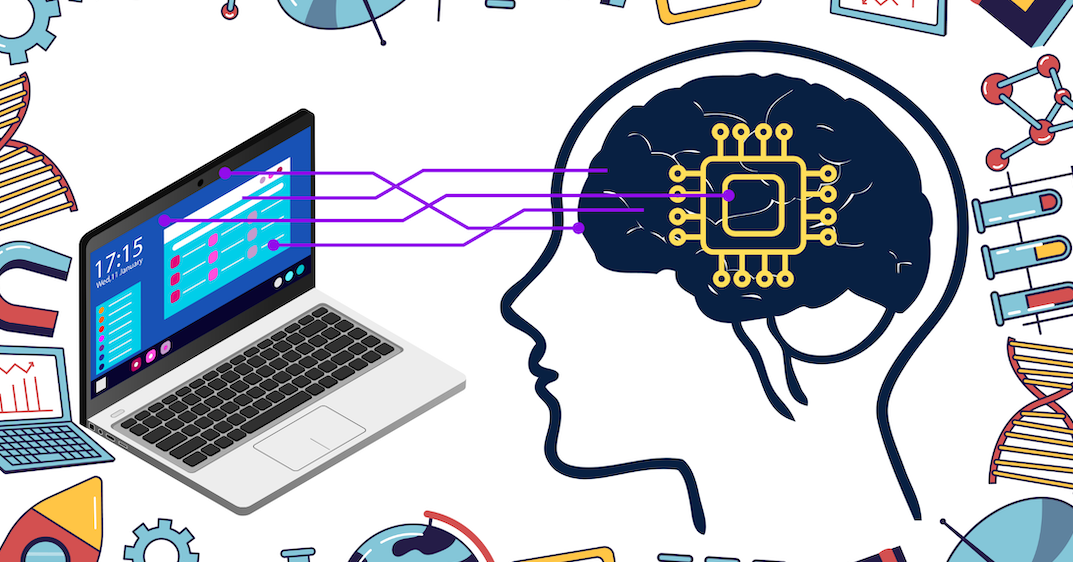
When I read Michael Crichton’s The Terminal Man (1972) decades ago, I thought it was fascinating, just like other Crichton’s books. Little did I know that the technology could be advancing so quickly. It is literally already here!
That makes a great topic for Join the Discussion.
To recap The Terminal Man a bit. This book told a chilling tale of a man who was with brain implants, which meant to curb his epileptic seizures, became addictive to the his and turned violent. That was Crichton’s vision of merging human minds with machines.
Today, brain-computer interfaces (BCIs) have become a reality. Elon Musk’s Neuralink constantly grabs headlines with invasive implants aiming to restore speech or enable telepathic communication. China is also quietly building a BCI program. This emerging frontier demands our attention as it redefines humanity’s relationship with technology, revolutionising the future of education, healthcare, and more.
The question is: Could these devices, like Michael Crichton’s fictional implant, become tools for surveillance or control? Crichton’s warning about technology outpacing human foresight looms large.
Indeed, many people worried about this mind-machine merger. For one, BCIs threaten autonomy, with brain data ripe for exploitation by corporations. Also, thoughts could become the ultimate commodity, echoing The Terminal Man’s dystopian edge. In addition, people question altering cognition or creating tech dependency, arguing the rush for breakthroughs risks humanity’s essence. Crichton’s novel feels eerily prescient as we grapple with BCIs’ unintended consequences.
This isn’t just a tech race; it’s a philosophical crossroads. The Terminal Man reminds us that tampering with the brain invites unpredictability, a lesson today’s innovators must heed. As BCIs move from fiction to reality, we’re left pondering their promise and peril.
Could BCI advancements, like Crichton’s fictional implants, outstrip ethical boundaries, and how should global regulators respond?
What risks arise if BCIs, as in the novel, become addictive or alter personality in ways we can’t predict?
How can societies balance BCIs’ medical benefits with fears of surveillance?
Will BCI redefines global tech dominance, sparking a backlash over privacy and human rights?
What do you think?
If you have interesting ideas about these questions or others, and also love a chance to practice speaking about them in Mandarin, this is your chance.
Details about this session is below:
Topic: From Crichton’s Fiction to the Rise of Brain-Computer Interfaces
- 1:00 PM - 2:30PM, June 27, 2025 (HK time)
- Online
- HKD300 per person (Maximum 6 participants)
Register before June 24, 2025.
Use this Google form to register: https://docs.google.com/forms/d/e/1FAIpQLSeO4UA-zDF9kmJdMHenLDlFgrCIHU1JWL1o4-IT885EYko9GQ/viewform
*** ***
More about this course:
“What Is Your Opinion” is a platform for high level Chinese language learners to share their views and thoughts on a wide range of events which are shaping our world, and of course, to practice speaking Mandarin as well.
This course is a natural extension for students who have completed the Mandarin Express series (or equivalent) and would like to have a platform to further their study by engaging in topical discussions.
It’s best for students who are interested in world events, including but not solely about events which China’s stances influence the outcome.
Read more about this course here:
https://www.mslmaster.com/index.php/teaching-learning-resources?view=article&id=241&catid=11
If you’d like to see a list of all Chinese courses on offer, click here:
https://www.mslmaster.com/index.php/mandarin-lessons
If you’d like to check out all upcoming group classes, click here:
https://www.mslmaster.com/index.php/teaching-learning-resources?view=article&id=93&catid=11
About the Author

April Zhang
April Zhang is the founder of MSL Master and she enjoys teaching and interacting with students. She constantly explores new and interesting ways of teaching Chinese through creative and imaginative activities.
With her help, many students have achieved outstanding result, which has enriched their understanding about China and has significantly contributed to their work.