Labubu: A Chinese Triumph with Global Ambitions, but Challenges Loom for Lasting Legacy
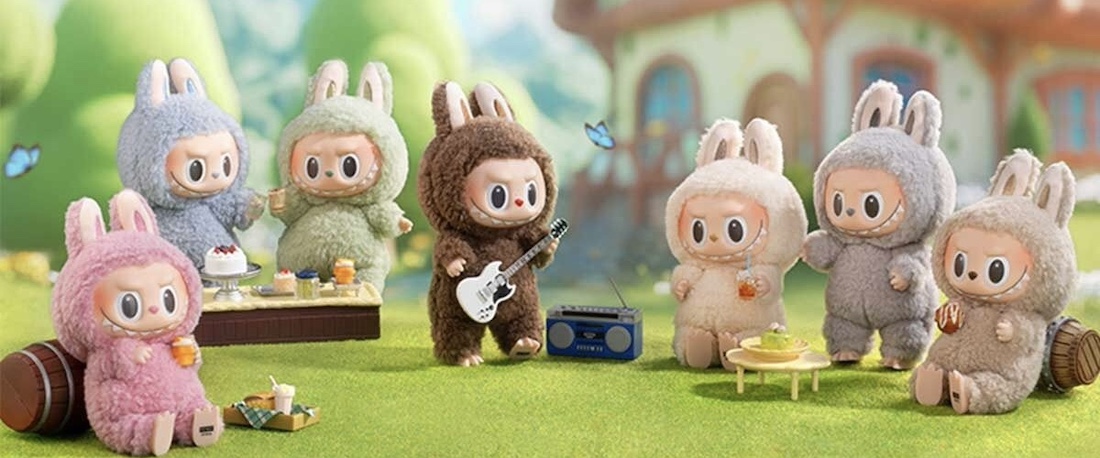
Labubu, the mischievous, toothy elf from “The Monsters” series, has taken the collectible toy world by storm, a remarkable feat for a Chinese company Pop Mart.
Created by Hong Kong artist Kasing Lung, this plush and vinyl figure, with its “ugly-cute” charm, has become a cultural sensation, driven by blind box collectibles and celebrity endorsements from stars like Blackpink’s Lisa.
Pop Mart’s strategic merchandising has fueled a revenue surge. For a Chinese brand to achieve such global traction, rivaling icons like Hello Kitty, is admirable. Labubu’s success showcases China’s growing influence in the toy industry, blending innovative design with viral marketing to captivate Gen Z and millennials.
Yet, as a Chinese, I yearn for Labubu to evolve into a multi-generational cultural figure like Barbie, not a fleeting fad like Beanie Babies. The path ahead is fraught with challenges, particularly in deepening its emotional engagement through storytelling, a task complicated by its Nordic mythological roots.
Labubu’s rise is a testament to Pop Mart’s savvy. The blind box format, where collectors unbox random figures hoping for rare “secret” designs, gamifies the experience, echoing Pokémon’s trading card thrill. Lisa’s Instagram post showcasing a Labubu sparked a frenzy. This cross-cultural appeal, rooted in a Hong Kong artist’s vision and amplified by Chinese manufacturing, proves a Chinese brand can compete with Western giants like Mattel.
However, short-term hype doesn’t guarantee longevity. Beanie Babies’ 1990s craze collapsed from oversaturation. Labubu risks a similar fate unless it builds a lasting emotional connection, a hallmark of enduring dolls like Barbie or American Girl.
For Labubu to become a multi-generational icon, it must engage fans emotionally, beyond the thrill of collecting. Barbie’s open-ended storytelling lets people craft narratives, from princess to astronaut, while American Girl’s historical backstories foster empathy.
Labubu’s current narrative—a playful elf in a whimsical tribe—is charming but thin, lacking the depth to inspire role-play or loyalty. Fans on TikTok share unboxing videos with millions of views, but these focus on acquisition, not story.
To evolve, Labubu needs richer tales that tug at heartstrings. A Netflix series or mobile game could bring these stories to life, mirroring Barbie’s media empire. Without this, Labubu’s appeal may wane as collectors move to the next trend.
The biggest hurdle is Labubu’s Nordic mythological origin, which complicates storytelling for a Chinese brand.
Nordic lore, with its gods and trolls, is distant from Chinese traditions like the Monkey King or Ne Zha. Pop Mart’s light approach—casting Labubu as a generic elf—avoids cultural missteps but sacrifices depth. Western fans familiar with Norse myths via Marvel’s Thor might find this superficial, while Chinese audiences may prefer local folklore, as social media posts suggest Labubu’s Asian popularity stems from aesthetics, not its Nordic roots.
Labubu’s potential is immense, but its future hinges on Pop Mart’s ability to navigate these challenges. By deepening its storytelling, expanding into media, and balancing Nordic and Chinese elements, Labubu could join Barbie as a cultural icon. Engaging kids alongside adult collectors will build nostalgia, ensuring future generations embrace it.
For now, Labubu’s Chinese triumph is a beacon of innovation, but only bold evolution will secure its legacy.
About the Author

April Zhang
April Zhang is the founder of MSL Master and she enjoys teaching and interacting with students. She constantly explores new and interesting ways of teaching Chinese through creative and imaginative activities.
With her help, many students have achieved outstanding result, which has enriched their understanding about China and has significantly contributed to their work.