Decoding change: What will happen to the US interest rate in June?
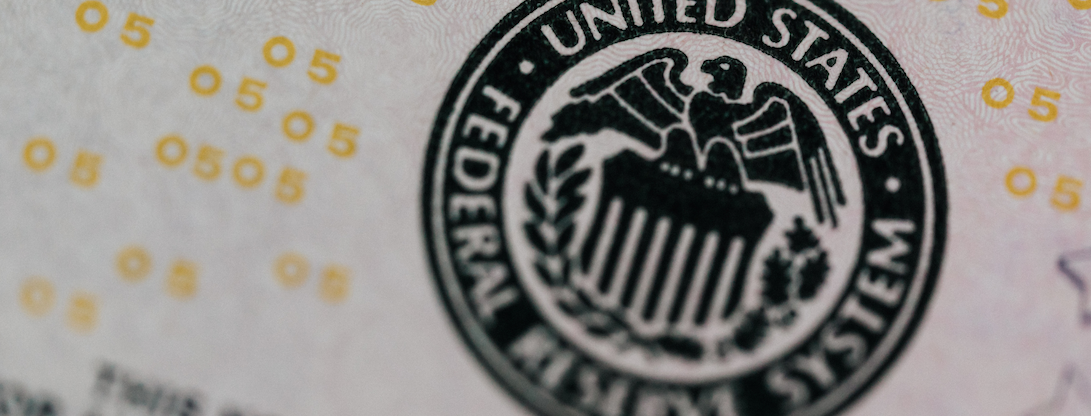
On March 18, 2026, the US Federal Reserve left the federal funds rate unchanged, maintaining its target range at 3.5% to 3.75%. With the next decision looming on June 18, conflicting signals across the economy have sparked widespread speculation.
To gain fresh insight into the Fed’s current dilemma, let’s turn to the ancient wisdom of the I Ching (the Book of Changes).
Welcome to Decoding Change, a live one-hour discussion series that examines today’s pressing questions through the timeless frameworks of the I Ching.
Using a traditional divination method with bamboo sticks, I received hexagram ䷦ 蹇 (jiǎn) —meaning “limping,” “obstruction,” or “difficulty.” The fourth line from the bottom is changing.
We can use this hexagram to analyse the situation facing the Fed ahead of its June meeting.
The lower trigram depicts a mountain, symbolising “stop,” “prohibit,” or “hold back.” The upper trigram is water, representing “danger,” “trap,” or “difficulty.” Together, they paint a clear picture: the Fed finds itself in a genuine dilemma.
The central bank has been steadily cutting rates even as US inflation has remained persistently above the 2% target. Yet the data pulls in opposing directions.
Arguments for a rate cut include:
- The US economy unexpectedly lost 92,000 jobs in February, the largest drop since the pandemic.
- Downward revisions to job figures from prior months.
- The unemployment rate rising to 4.4%.
- Initial unemployment claims reaching 210,000 by March 21, up 5,000 from the previous week.
Arguments for holding steady or even hiking rates include:
- The Producer Price Index (PPI) for February surged 0.7% month-over-month, pushing the annual rate to 3.4%.
- The ongoing US-Israeli conflict against Iran has driven a sharp rise in oil prices, which is likely to fuel broader inflation in the near term.
Compounding these economic crosscurrents are political dynamics within the Fed itself.
First, President Trump has repeatedly called for lower rates and pushed for Fed Chair Jerome Powell’s resignation. Under the pressure, Powell has remained in place. Trump has nominated Kevin Warsh to succeed him when Powell’s term as chair expires in May 2026. However, Powell has indicated that if Warsh is not confirmed by May 15, he will continue serving as chair.
Second, Governor Stephen Miran joined the Board abruptly and has consistently voted for lower rates since taking his seat.
Third, even after his chairmanship ends, Powell’s term as a Fed governor extends to 2028. Given his stature and influence, he is likely to continue shaping the views of other members. While the Fed traditionally seeks consensus, even unanimity, a simple majority of the 12 voting members is all that is legally required to set policy.
Faced with these conflicting pressures, it is no surprise that the Fed has adopted a cautious, wait-and-see approach. Hexagram 蹇 captures this state of obstruction perfectly, especially with the fourth line changing.
The judgment for that line reads: “往蹇,来连” (Going forward brings difficulty; returning also brings difficulty).
A changing line, however, signals that the situation will not remain static—a shift is on the horizon. My interpretation is that the Fed will ultimately lower rates to please the market and ease prevailing pressures.
If this sparks your interest, join the discussion. Let’s decode the change together before the Fed announces its June 18 decision.
This session is not about fortune-telling. It is an invitation to think creatively about a complex real-world situation while exploring fundamental concepts of the I Ching and how hexagrams are formed. Whether you are a keen observer of international affairs, a cautious skeptic, or simply curious about ancient perspectives on modern challenges, the lens of this hexagram offers fresh clarity on the forces at play—and the enduring power of ancient wisdom.
Details about this session is below:
Topic: What will happen to the US interest rate in June?
- 3:00 PM - 4:00 PM, June 12, 2026 (HK time)
- Online
- HKD 799 per person (Maximum 6 participants)
- Register before June 9, 2026.
Write to me directly to register.
The core concepts of I Ching—yin and yang and the 64 hexagrams—will be introduced. No prior knowledge required. Participants are invited to dive into a hands-on interpretive exercise.
*** *** ***
To learn more about Decoding Change: An Introduction to the I Ching’s Wisdom, click here: https://www.mslmaster.com/index.php/mandarin-lessons?view=article&id=253:decoding-change-an-introduction-to-the-i-chings-wisdom&catid=11
To see a list of all our Chinese courses, click here: https://www.mslmaster.com/index.php/mandarin-lessons
About the Author

April Zhang
April Zhang is the founder of MSL Master and she enjoys teaching and interacting with students. She constantly explores new and interesting ways of teaching Chinese through creative and imaginative activities.
With her help, many students have achieved outstanding result, which has enriched their understanding about China and has significantly contributed to their work.